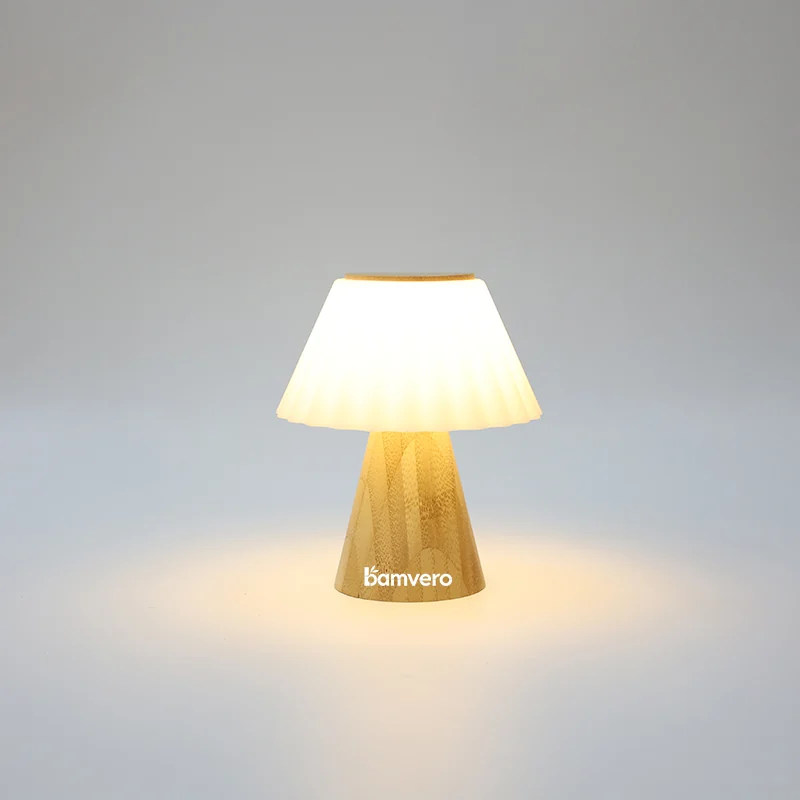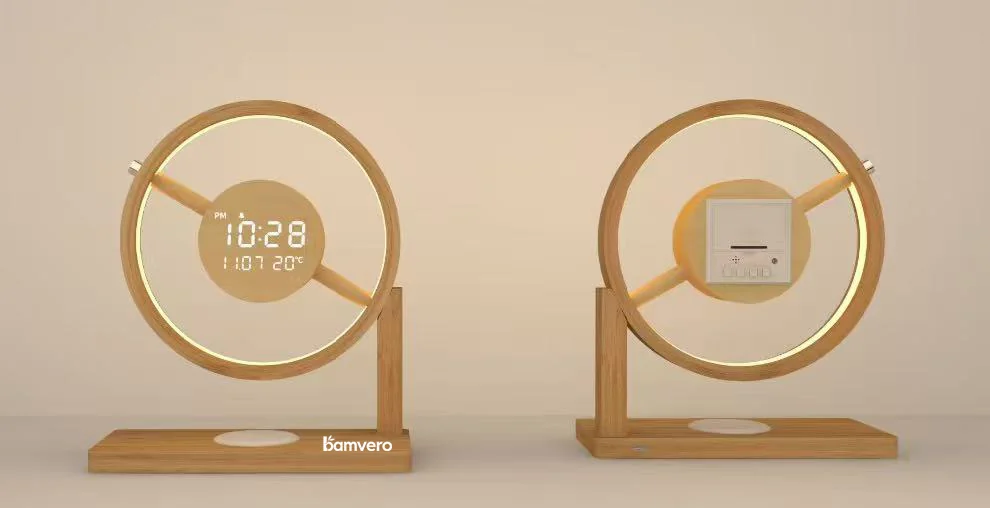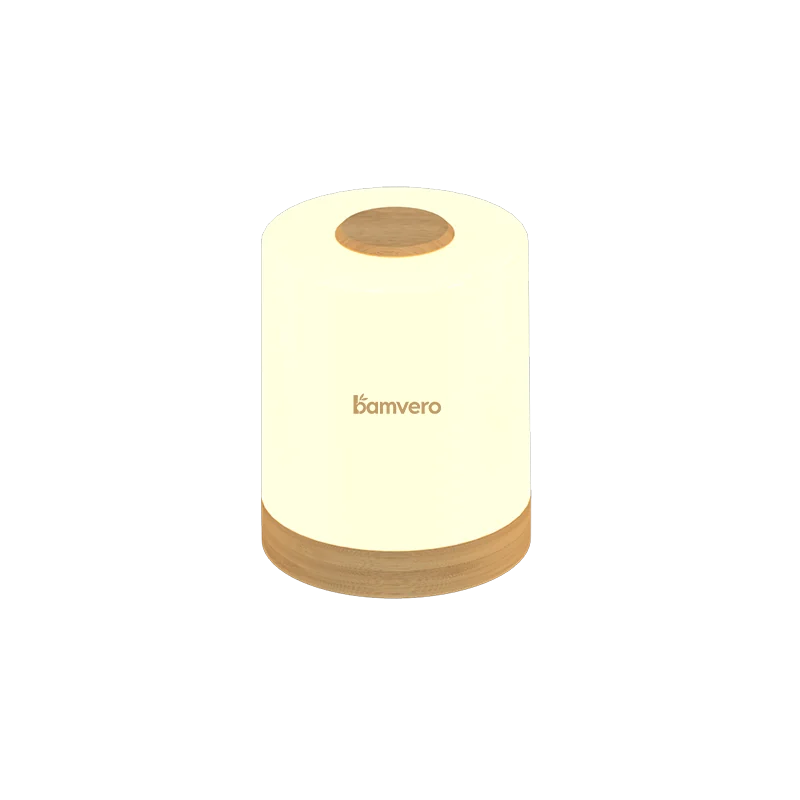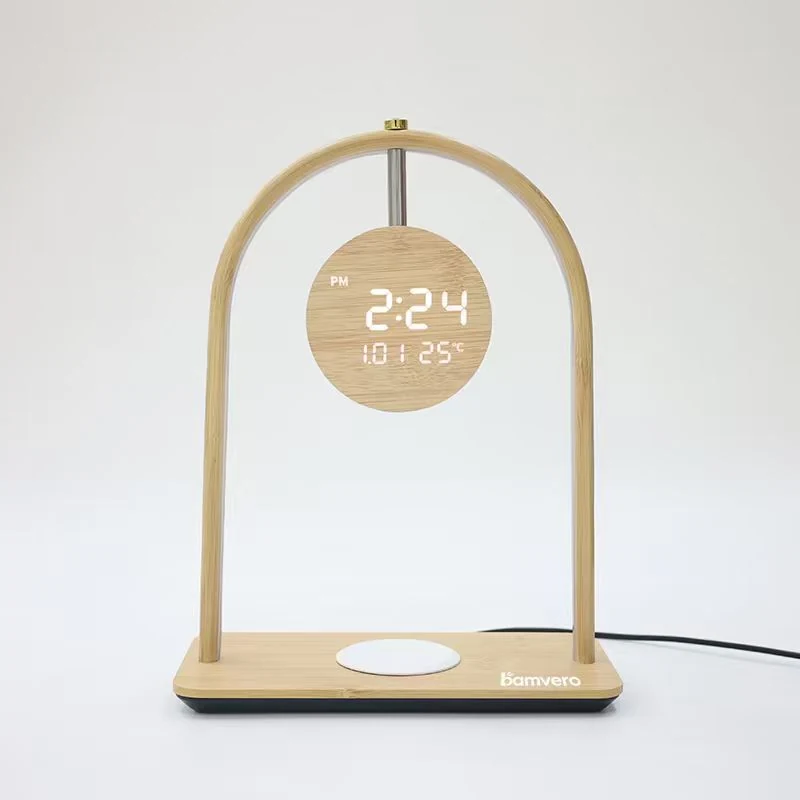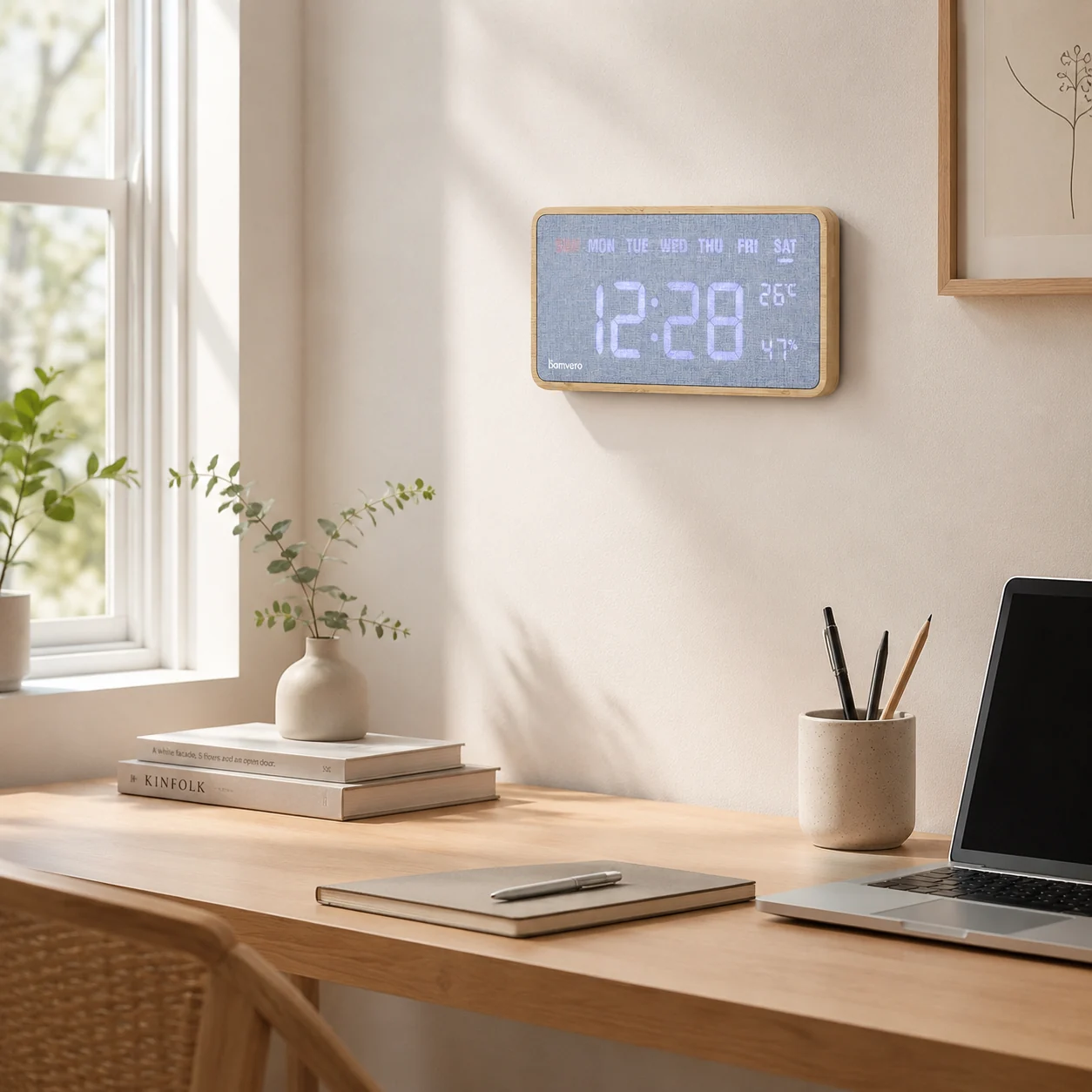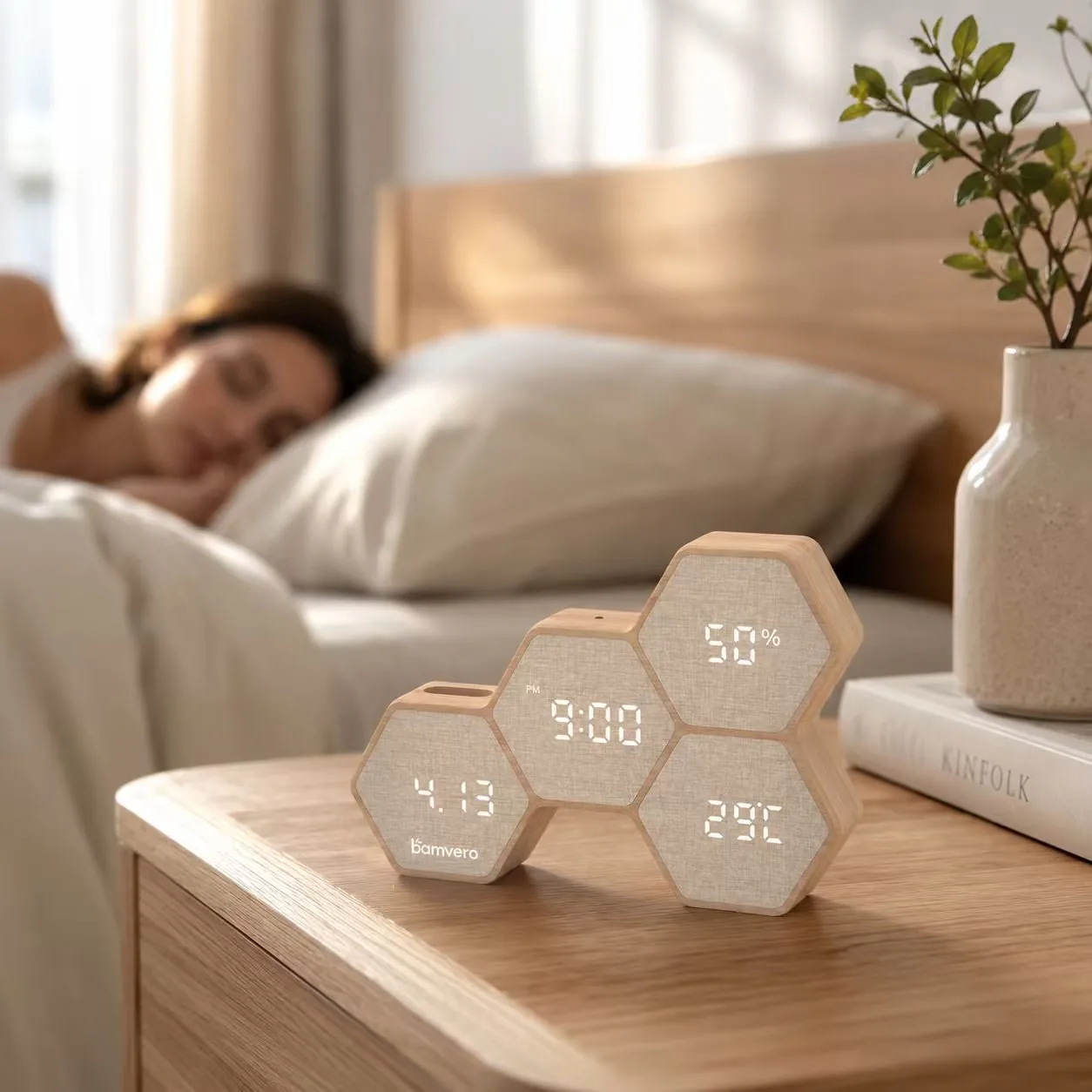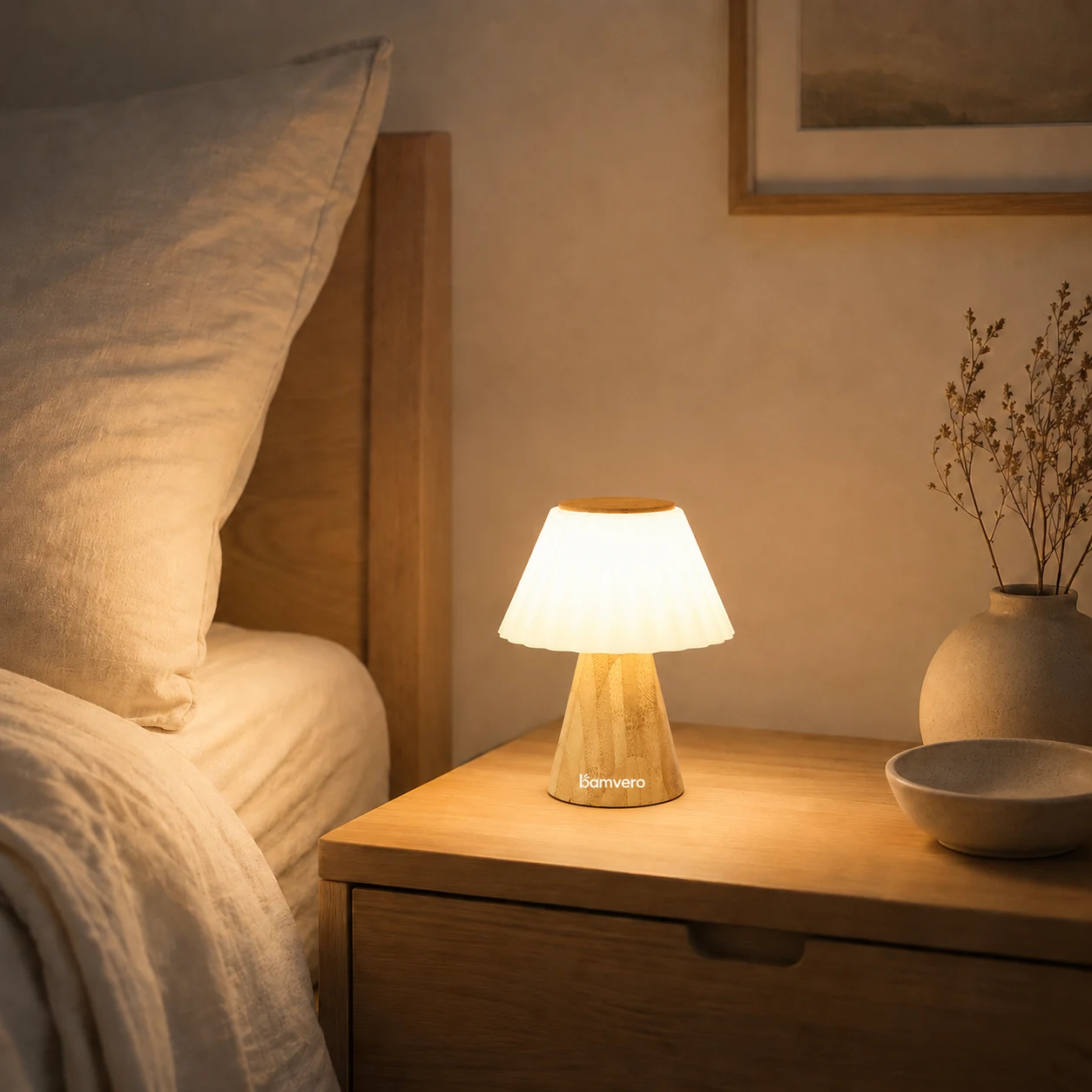
Ambient lamps are usually chosen for the mood they create, but B2B buyers still need a clear product story: where the lamp will be used, how the light reads in the room and how the shape supports the intended gift or hospitality program.
Choose the room before choosing the lamp shape
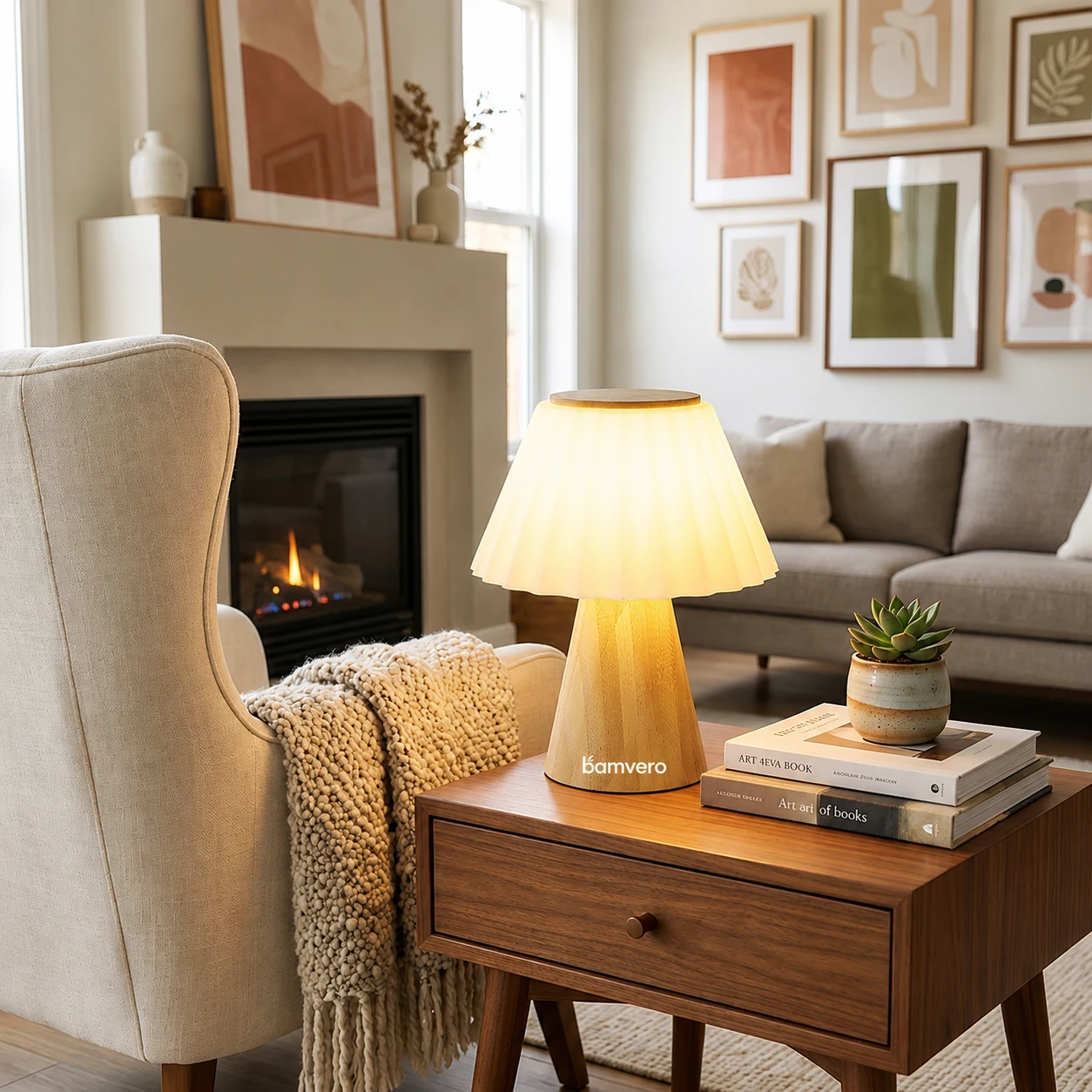
A compact mushroom lamp, an arch clock lamp and a pleated table lamp can all use bamboo as the visual anchor, but their placement is different. Bedside tables, reception counters, hotel rooms and gift sets each need their own balance of footprint, light direction and visual presence.
For hospitality programs, the product needs to feel calm and functional alongside bedding, furniture and room lighting. For retail or corporate gifting, the packaging and perceived material value may matter just as much as the lamp itself.
- Confirm the intended room type and surface before reviewing dimensions.
- Review light color and brightness in the setting the buyer wants to create.
- Check whether a time display or charging feature supports the product story.
- Plan the packaging direction early for gift-ready programs.
Make the material story visible but credible
Bamboo works best when it is presented as part of a practical product, not as an isolated sustainability message. The product should still be evaluated for finish, stability, light function, power direction and how it will be maintained in the intended channel.
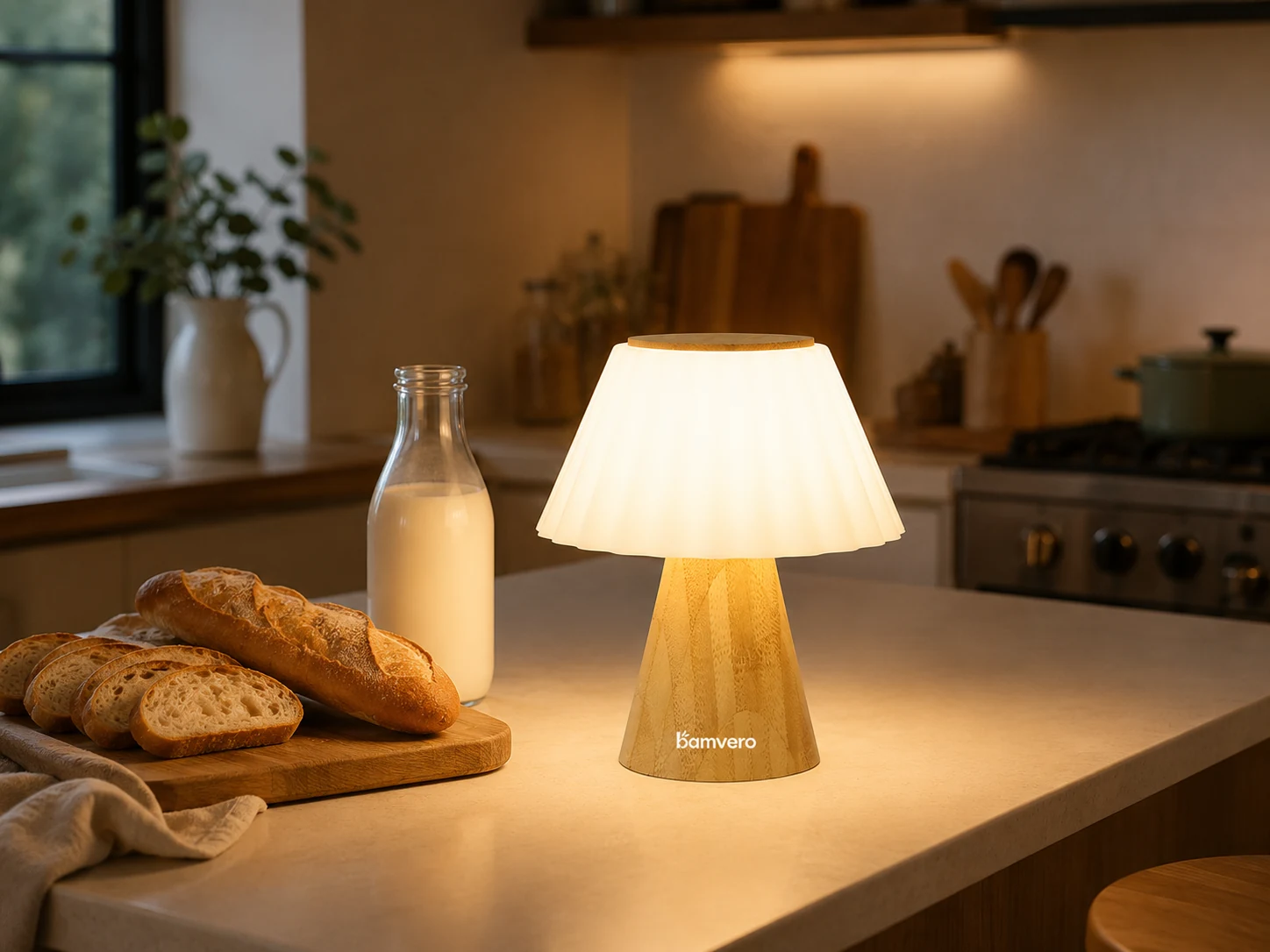
Natural bamboo, fabric shade details and warm light can give a coordinated presentation for interior-oriented buyers. The sample should let the buyer review those parts together.
What to request with an ambient lamp sample
A useful sample package answers functional and presentation questions at the same time. Buyers should avoid treating a lifestyle image as a substitute for checking the actual product, power details and packaging direction.
Once the intended placement is fixed, the rest of the decision becomes more direct.
- Product dimensions, power input and intended light mode.
- Material finish and any fabric or acrylic component used in the visible design.
- Logo treatment and product label location.
- Gift box, master carton and insert direction for the target sales channel.
Products connected to this guide.